
Battery Storage
Use energy at a different time.
A home battery stores electricity so it can be used later. The value lies in how its capacity, power, controls and installation are matched to the way your home actually uses energy.
When Storage Makes Sense
Start with the job the battery
needs to do.
Storage is most useful when there is a repeatable mismatch between when energy is
available and when the home needs it. The objective determines what should be measured next.
Use more solar later
Store daytime surplus for evening or overnight demand. Considers likely surplus and seasonal variation.
Limit
Not every day provides a full charge.
Timed grid charging
Compatible equipment may be scheduled around lower-rate periods where the tariff, charge window and household pattern support it. This is a design possibility, not a fixed financial outcome.
Limit
Tariffs and price differences can change.
Backup reserve
Compatible equipment may support selected loads where the property and electrical design permit.
Limit
Does not automatically run the whole house.
System Geometry
Sizing the system.
Battery size is not a simple multiple of annual electricity use. The daily profile matters: how much energy is available to charge, when the home needs it, and how quickly power must be delivered.
Capacity vs Power
Capacity describes how much energy can be stored. Power describes how quickly the battery can charge or supply the home. Both influence real-world use.
Daily load profile
Evening peaks, overnight baseload and daytime occupancy are more useful than a yearly total.
Available solar surplus
Array size, orientation, shading and season affect spare generation.
Charge/discharge power
Can the battery absorb solar and support simultaneous loads at the required rate?
Usable capacity
The portion of stored energy available for normal operation.
Before Specification
What SES assesses.
A survey tests whether the proposed layout can become a practical installation. It connects the external roof plan with the internal electrical route and records where assumptions still need confirmation.
01
- The objective
Increasing solar self-consumption, shifting grid imports and providing selected-load backup require different priorities and controls.
02
- Consumption timing
Bills give a useful total; interval data or a clear account of occupancy and major loads gives better context for sizing.
03
- Charging opportunity
For solar charging, likely surplus matters. For tariff-aware charging, the available window, permitted controls and charge rate all need consideration.
04
- Electrical compatibility
Existing solar architecture, inverter arrangements, consumer equipment, incoming supply, metering and earthing shape the available options.
05
- Physical location
Structure, environmental exposure, ventilation, clearances, access, cable routes and manufacturer instructions affect where equipment may be installed.
Integration
Two routes to storage.
- New Installation
Solar & Battery Together
A hybrid or another coordinated architecture may allow generation and storage to share control equipment. The right arrangement depends on system size, operating priorities and equipment suitability.
Designing both together can make equipment relationships clear from the outset, but does not remove the need to assess roof yield, demand timing and installation location.
- New Installation
Alongside Existing Solar
AC-coupled arrangements operate alongside existing inverters. Requires careful review of current metering, supply, and space to ensure compatibility and safe operation.
Existing monitoring, export arrangements, inverter age and available connection routes should be understood before choosing the retrofit architecture.
Battery technologies
Three brands. One property-led approach.
Tesla, Fox ESS and Hinen differ in how they package the battery, inverter, controls and room for expansion. Those differences shape the installation and the everyday experience.
Compare the architecture
Look at what is integrated, what remains separate, how capacity can change and how the system is controlled. Then test those qualities against the same household demand, available space and backup priorities.
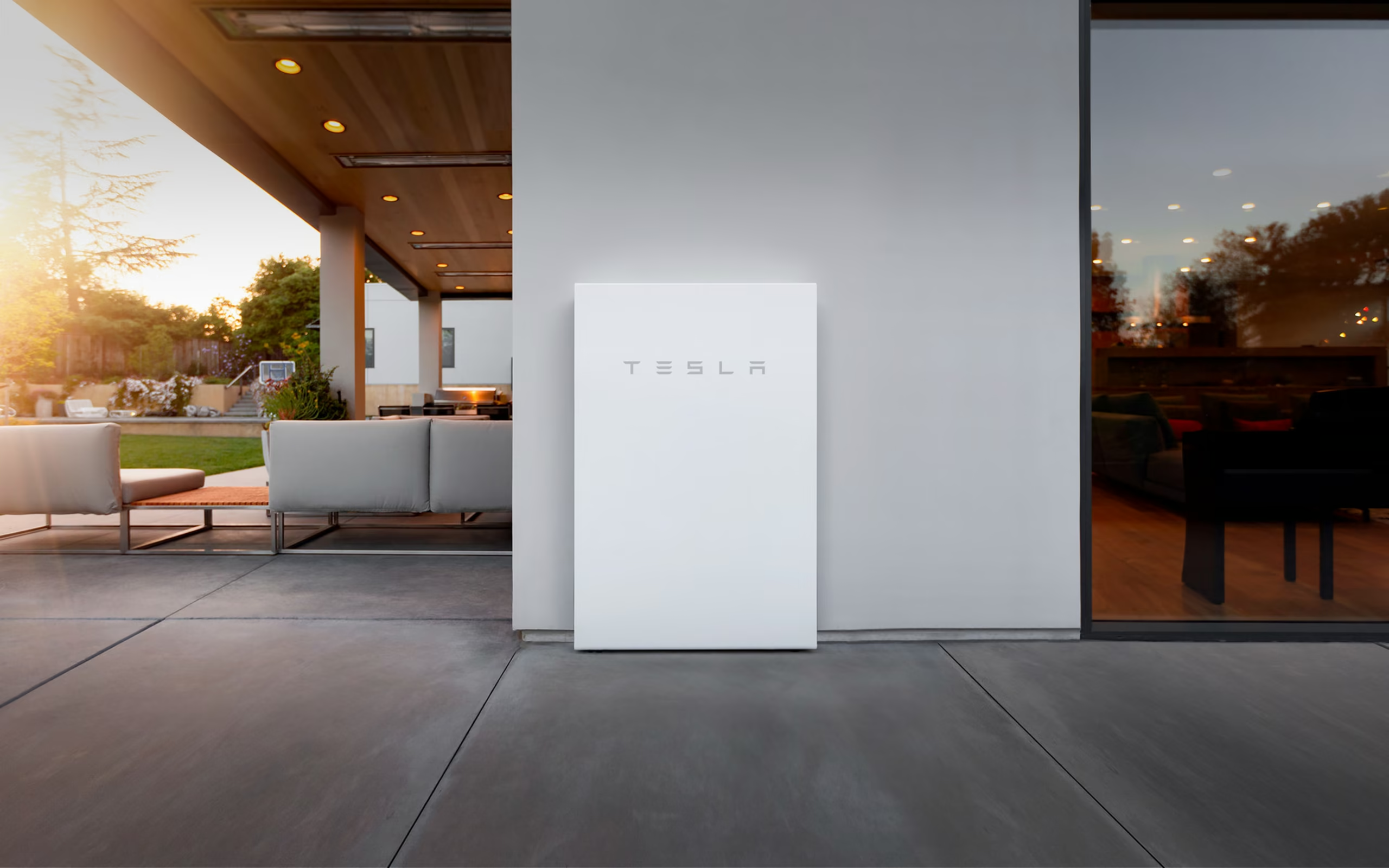
Tesla
Powerwall is designed as a closely integrated home-energy product rather than a standalone battery box. Tesla brings storage, power electronics, monitoring and operating modes into one ecosystem, with app-based visibility of solar generation, household demand, grid use and stored energy.
Its appeal is the joined-up user experience and the ability to configure solar self-consumption, time-based operation and backup behaviour where the electrical design supports it.
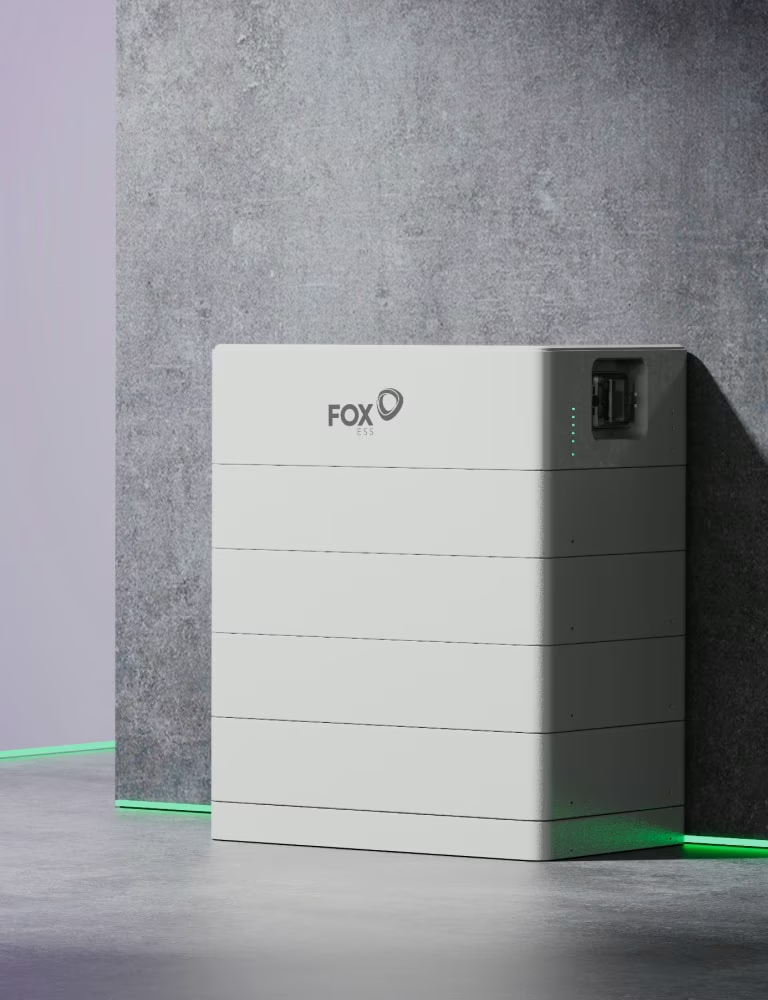
Fox ESS
Fox ESS centres its residential storage range on modular battery systems that work with compatible Fox hybrid inverters. Stackable or expandable formats allow capacity to be configured from repeat battery modules rather than treating every home as a fixed, one-size installation.
That modularity can suit households that want the battery bank sized around current demand with a route to future expansion.
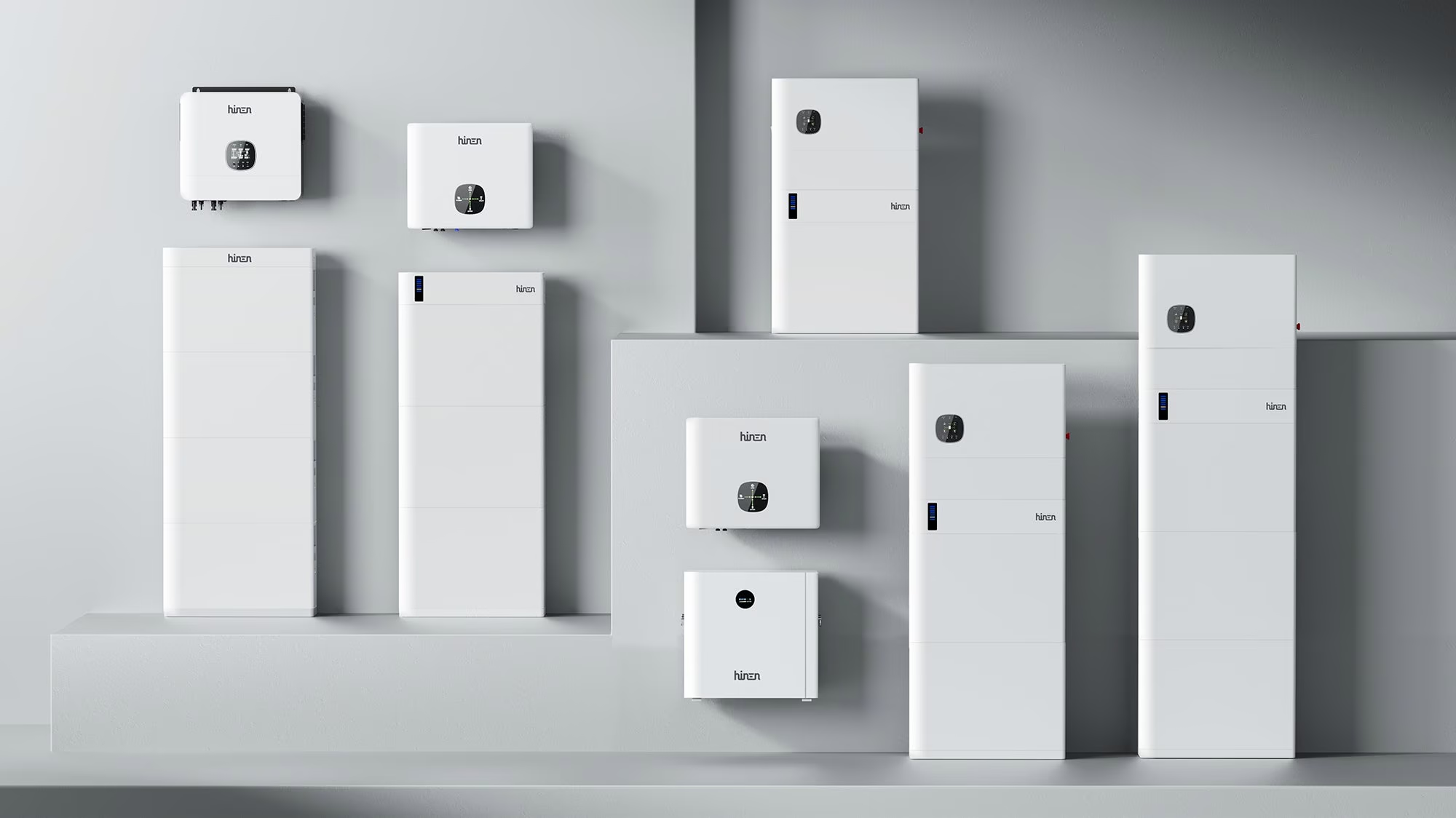
Hinen
Hinen’s A Series takes an all-in-one approach, combining the hybrid inverter, battery modules, battery management and switching equipment within a coordinated system. Its stackable format is intended to keep the installation visually compact while allowing the storage arrangement to be built from modular elements.
The platform is aimed at solar self-consumption, managed grid charging and backup applications, subject to the selected configuration.
SES packages
Battery-only packages.
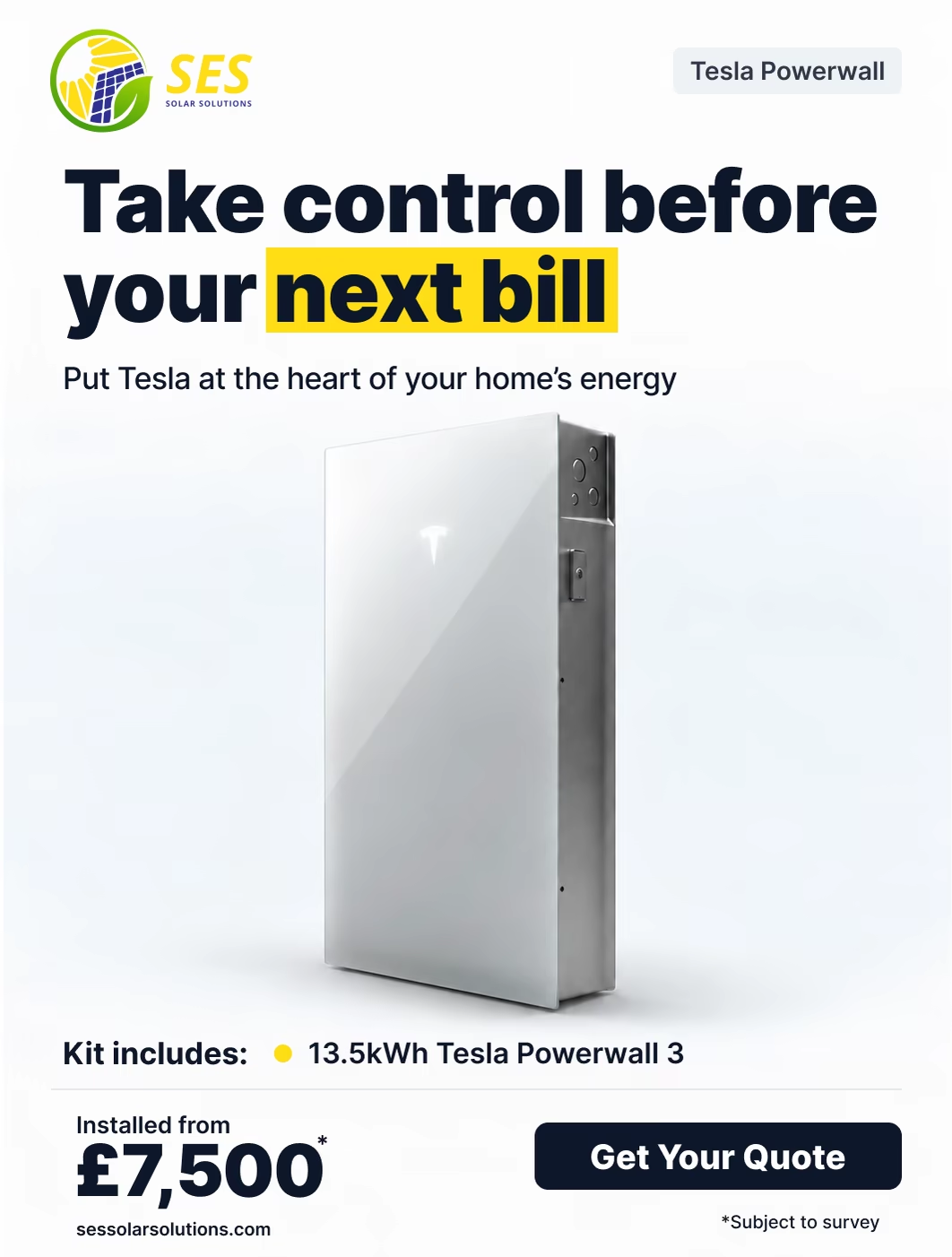
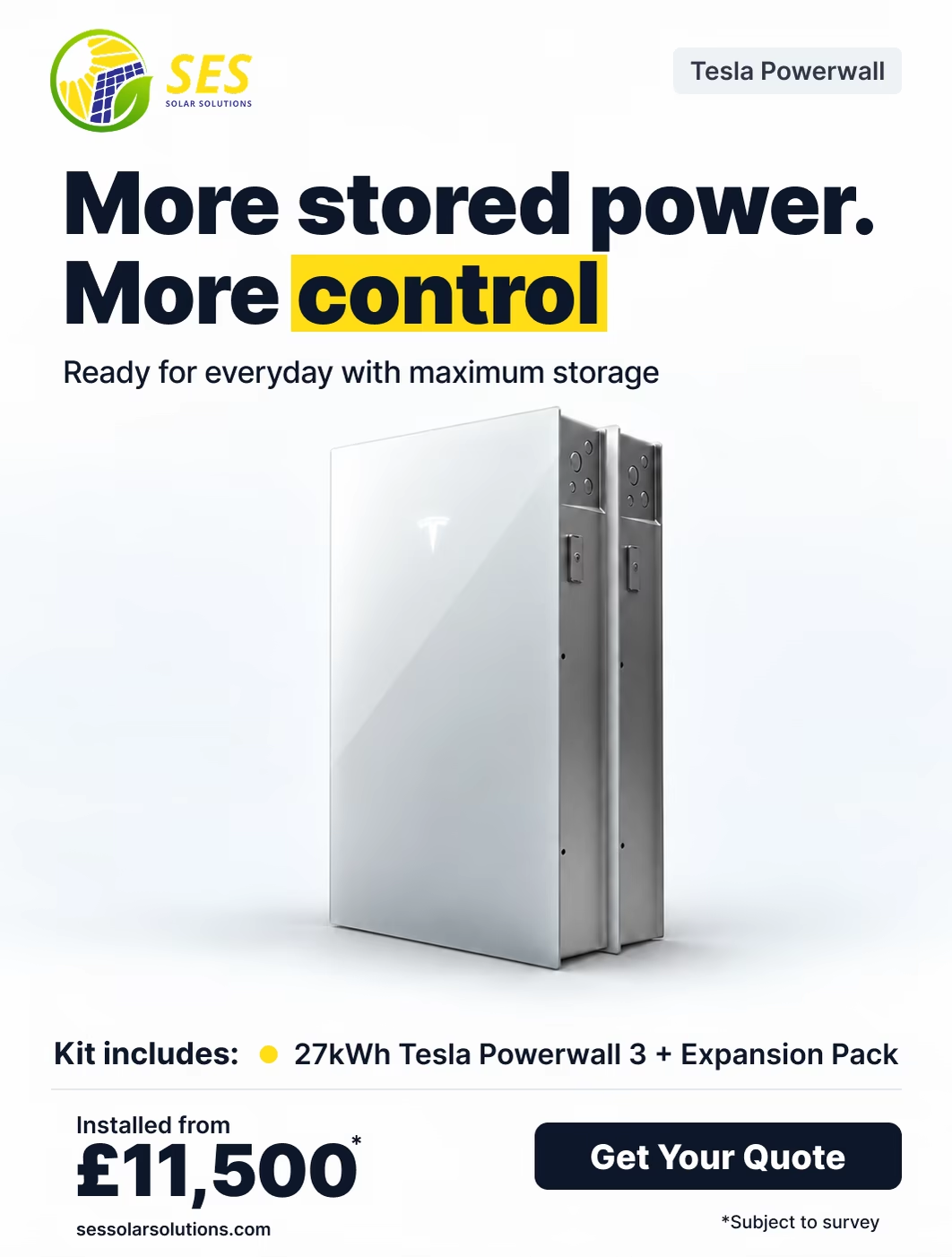
Explore the packages below. All advertised starting prices are subject to survey. Select an advert to contact SES about the package.


- Backup Is A Separate Design Question
A battery does not automatically keep every circuit running during a power cut.
Backup capability depends on the equipment, changeover arrangement, earthing design and which loads are connected. Some systems may support selected essential circuits; whole-home operation can be constrained by the battery’s output and by high-demand appliances.
- If backup matters, identify the circuits and appliances that are genuinely important so the requirement can be assessed explicitly rather than assumed from the battery specification.
Site Conditions
Physical reality.
A convenient empty wall is not automatically suitable. Environment, structure, and cable routes dictate placement.
Temperature
Outdoor suitability depends entirely on the specific product's environmental ratings and chemistry.
Clearances
Required clearances and access routes must be checked against exact product instructions.
Structure
Mounting surfaces must be structurally sound to support substantial equipment weight.
Routing
Cable length and containment affect the electrical plan, access requirements and visual impact.
- East London + Essex
Tell us what you want storage to do.
The starting objective helps us ask the right technical questions. Tell us about your property to begin a considered review.